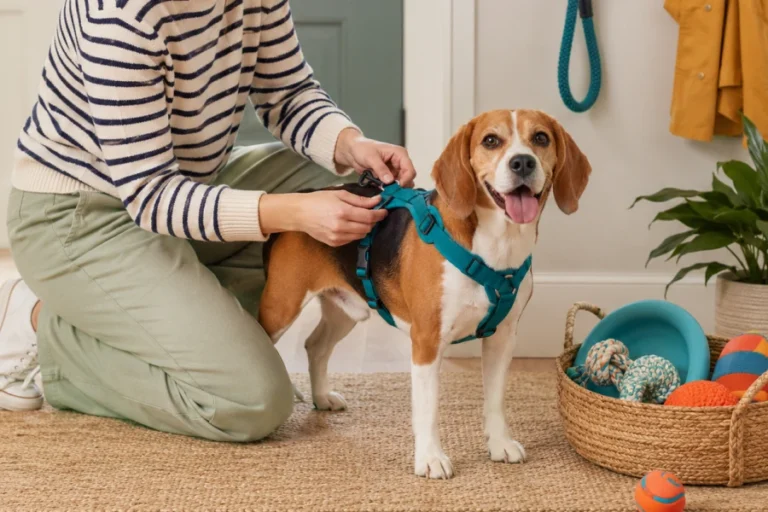
Preparation matters most when it makes the first days feel less complicated. A new puppy home setup creates clear places for rest, feeding, play, cleaning, and calm before the puppy arrives. It also helps people avoid making every decision in the moment. The best homes are not packed with gear or arranged like a showroom. They are organized around simple, repeatable needs. Puppies benefit when important resources stay in predictable locations. People benefit when supplies are close enough to use without panic. A thoughtful setup also makes supervision easier during the first busy weeks. Instead of constantly rearranging the house, you can focus on learning your puppy’s patterns. A few well-planned zones can make the transition feel much more manageable.
A New Puppy Home Setup Works Best in Zones
Think of the first room as a collection of useful zones rather than one large puppy area. Create a quiet sleeping zone, a feeding zone, a supervised play zone, and a spot for cleaning supplies. Keep each area simple enough that its purpose remains obvious. Avoid placing food beside litter-like pads, noisy appliances, or a high-traffic doorway. Choose a location for leashes, towels, treats, and waste bags that every adult can reach. A puppy-friendly starting plan can help you identify what belongs in each zone. Limit access at first so the puppy can learn the home gradually. Expand the available space as they show comfort and good habits. Defined zones give your puppy useful boundaries without making the house feel restrictive. They also simplify early supervision.
New Puppy Home Setup Begins Before the First Night
The first evening is easier when you prepare for it while the house is quiet. Set up the sleeping area, water bowl, washable bedding, safe chews, and a clear path to the door. Decide who handles nighttime toilet breaks and where supplies will be kept. Keep lights low and movement calm when the puppy arrives. Avoid a long series of introductions, games, and photos during the first hours. Let the puppy explore a small prepared area at their own pace. Provide short breaks, water, and predictable opportunities to eliminate. A familiar smell from a blanket can be comforting, but the overall atmosphere matters more. The first night does not need to be perfect to be successful. It needs to feel safe, quiet, and easy to repeat.
Build a New Puppy Home Setup That Supports Learning
Every part of the environment teaches something. A gate teaches where access begins and ends. A chew basket teaches which objects are available for mouths. A calm bed teaches that rest belongs in the day. Keep rewards near the places where you want good choices to happen. Use them to reinforce quiet settling, appropriate chewing, and easy transitions. A first-days support plan helps you connect equipment with the behavior it should encourage. Do not rely on correction after the puppy finds a tempting item. Make the safer option more available before the moment occurs. The space should make good behavior easier, not require constant willpower. Learning becomes clearer when the environment does part of the teaching.
New Puppy Home Setup Should Protect Your Own Routine
Puppies need care, but people still need sleep, meals, work time, and a chance to reset. Plan for these realities before the first difficult afternoon arrives. Choose a secure spot where the puppy can rest while you cook or take a call. Keep a small set of approved activities ready for predictable busy periods. Ask household members which responsibilities they can reliably take on. A plan built around real availability is more useful than one based on enthusiasm alone. Keep cleaning supplies stocked in the areas where accidents are most likely. Make it easy to leave the house for a short, prepared break. Protecting your own routine helps you respond with more patience. The household stays steadier when care does not depend on one exhausted person.
The Details You Notice Will Matter
Watch how your puppy uses the space during the first several days. Notice where they choose to rest, what they investigate, and which transitions feel difficult. A puppy may avoid an area because it is too noisy, too exposed, or simply unfamiliar. Another may keep returning to a corner that needs a safer alternative. Make small adjustments instead of rebuilding the entire setup. Move a bed, add a gate, simplify a route, or relocate a tempting object. Keep observations short and practical. The home will tell you what needs attention if you pay close enough attention. Flexibility turns the setup into a living system rather than a fixed plan. Small refinements can make a large difference in daily calm.
Settle Into a System You Can Maintain
Good preparation is not about doing more than everyone else. It is about choosing a few supportive systems and using them consistently. A steady care framework can help you keep the essentials visible while you learn what suits your puppy. Revisit the layout after the first week, then again as your puppy grows. Keep the zones that work and change the ones that create friction. Let the home become more open as your puppy earns freedom through practice. Celebrate ordinary successes such as resting independently or choosing the right chew. These moments show that the setup is doing its job. With calm preparation and steady attention, your puppy can begin life at home with more confidence and less chaos. That feeling gives the whole household room to enjoy the beginning.